Whether you are gearing up for a weekend camping trip or prepping your equipment after a rainy trail day, taking care of your outdoor gear is the single best way to extend its lifespan and save money over time. High-performance outdoor equipment is built to endure tough environments, but without proper maintenance, even the best materials degrade quickly.
Here is a practical, step-by-step breakdown of how to maintain, clean, and store your core outdoor equipment for peak performance.
1. Waterproof Jackets and Rain Shells: Proper Washing Matters
Many outdoor enthusiasts make the mistake of never washing their waterproof shells, fearing it will damage the membrane. In reality, dirt, body oils, and sweat clog the breathable pores of Gore-Tex and similar fabrics, severely degrading water repellency.
- Use the Right Detergent: Never use standard household detergents or fabric softeners. Always opt for a specialized technical cleanser (such as Nikwax Tech Wash or Grangers).
- Reactivate the DWR: After washing, tumble dry the jacket on low heat for 20 minutes (if care instructions allow) to reactivate the Durable Water Repellent (DWR) coating.
- Re-waterproof When Needed: If water stops beading on the surface and starts soaking into the outer fabric, apply a spray-on DWR treatment while the jacket is damp.
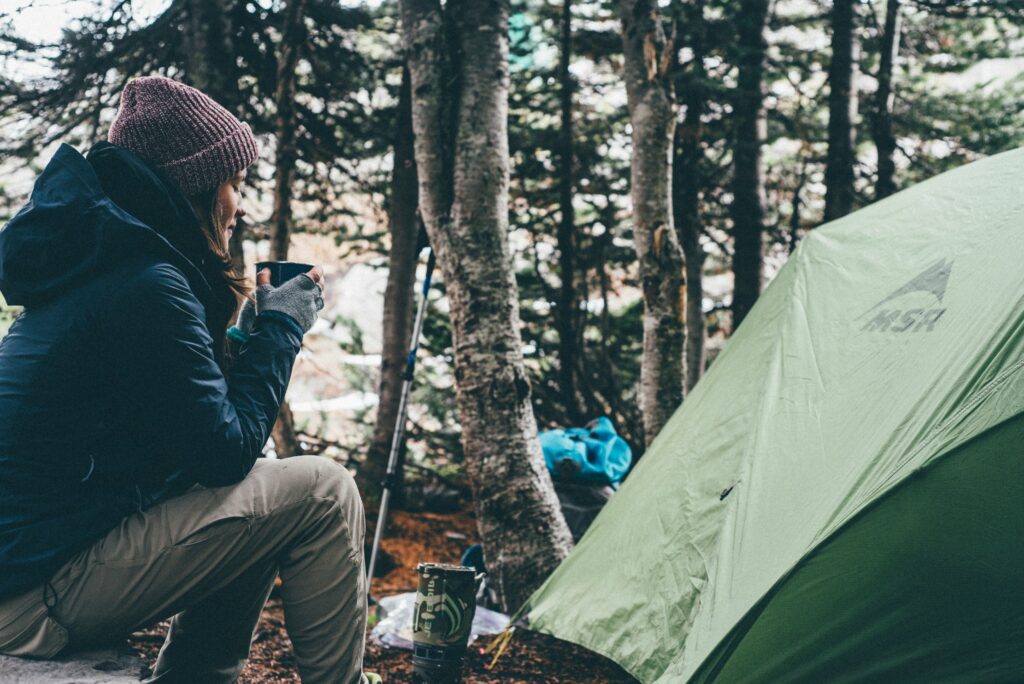
2. Tents and Shelters: The Enemy is Moisture
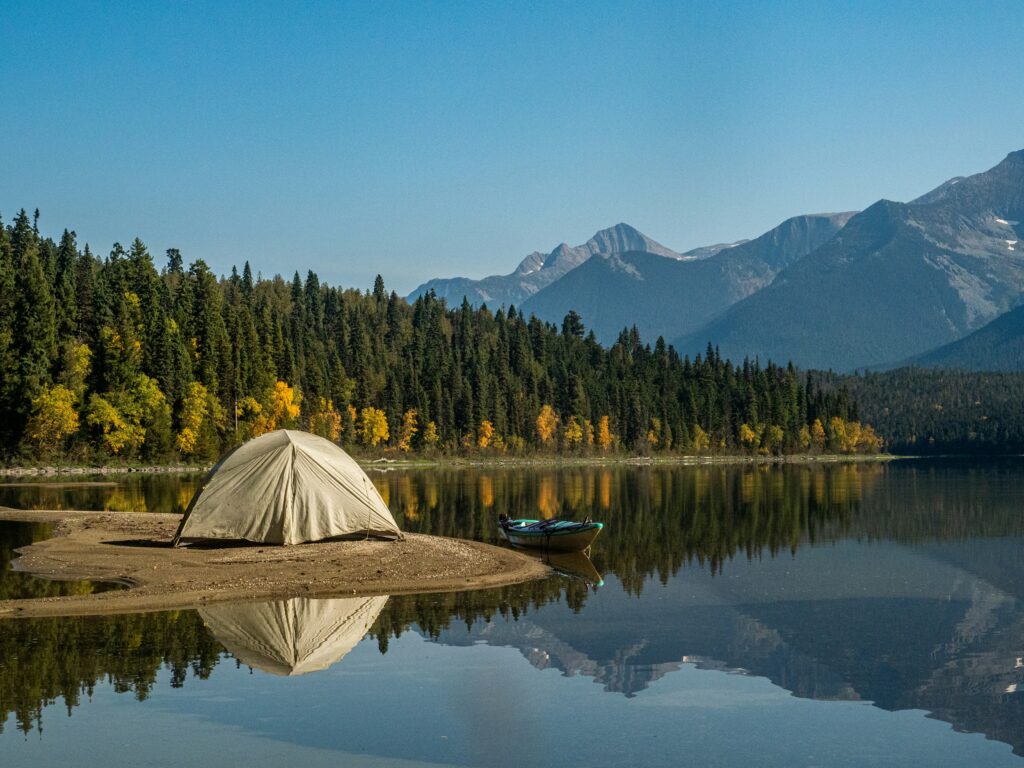
A quality tent can last for a decade, but mold and mildew can ruin it in a single week.
- Never Store Wet: Always air-dry your tent completely before long-term storage. If you have to pack up in the rain, pitch it at home or hang it indoors as soon as possible.
- Clean Without Harsh Chemicals: Spot-clean dirty patches using a soft sponge, warm water, and mild non-detergent soap. Avoid machine washing, which destroys seam sealing and protective coatings.
- Store Loose: Avoid keeping your tent tightly compressed in its stuff sack for long periods. Store it loosely in a breathable mesh bag or a cool, dry bin.
3. Hiking Boots and Trail Footwear: Preserve the Sole and Leather
Footwear takes the hardest beating on any trail. Neglecting mud and grit speeds up material wear and weakens structural seams.
- Remove Mud After Every Trip: Let mud dry, then gently brush it off using a soft-bristled brush. Leaving dried mud on leather draws out moisture, causing the material to crack.
- Dry Naturally: Never force-dry wet boots near a campfire, heater, or radiator. High heat breaks down adhesives and warps leather. Stuff them with newspaper and dry them at room temperature.
- Condition Leather Regularly: Apply a leather conditioner or waterproofing wax once every few trips to maintain flexibility and weather resistance.
4. Sleeping Bags and Pads: Don’t Keep Them Compressed
Proper loft is what keeps you warm. Whether your bag uses down or synthetic insulation, continuous compression destroys its thermal efficiency.
- Unpack at Home: Store down and synthetic sleeping bags hanging in a closet or inside a large cotton storage sack.
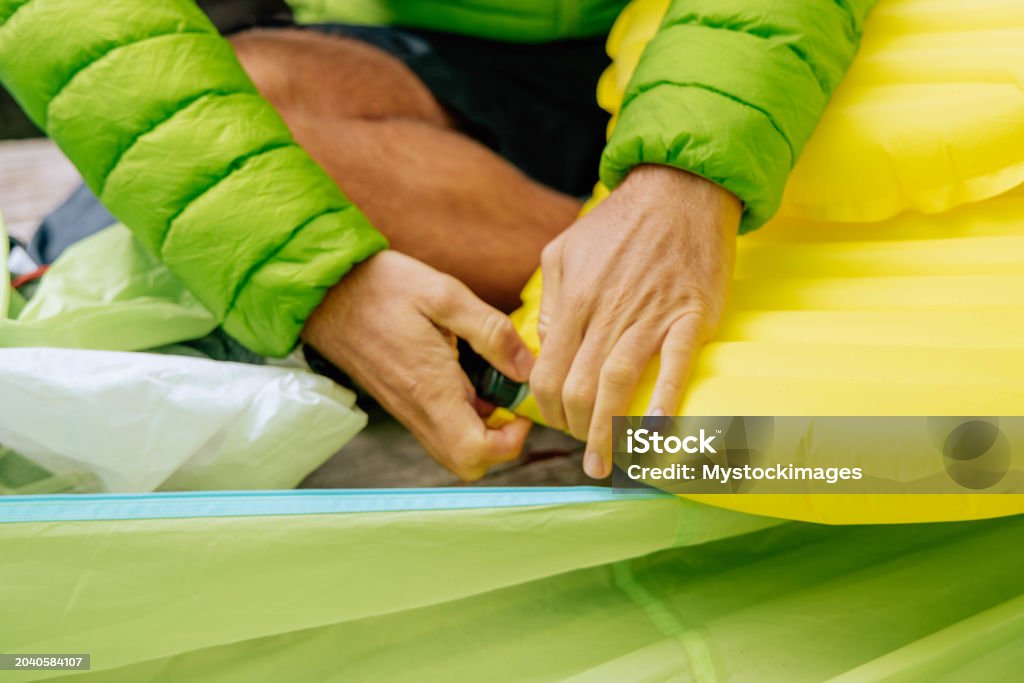
- Keep Pads Inflated or Loosely Rolled: Self-inflating foam pads should be stored unrolled with the valve open to prevent internal foam compression and moisture trap.
Final Thoughts: Preventive Care Saves Money and Gear
Taking an extra 30 minutes after every outdoor trip to inspect, clean, and properly dry your equipment makes a massive difference. Not only does it ensure reliability on your next adventure, but it also keeps high-performing gear out of landfills and keeps more cash in your wallet.